Training Outcomes and Impacts
AMRRIC’s training is designed to support practical, sustainable animal management capability within communities and organisations.
Our approach builds not only individual skill development, but broader improvements in program delivery, community safety and long-term outcomes.
Building Workforce Capability
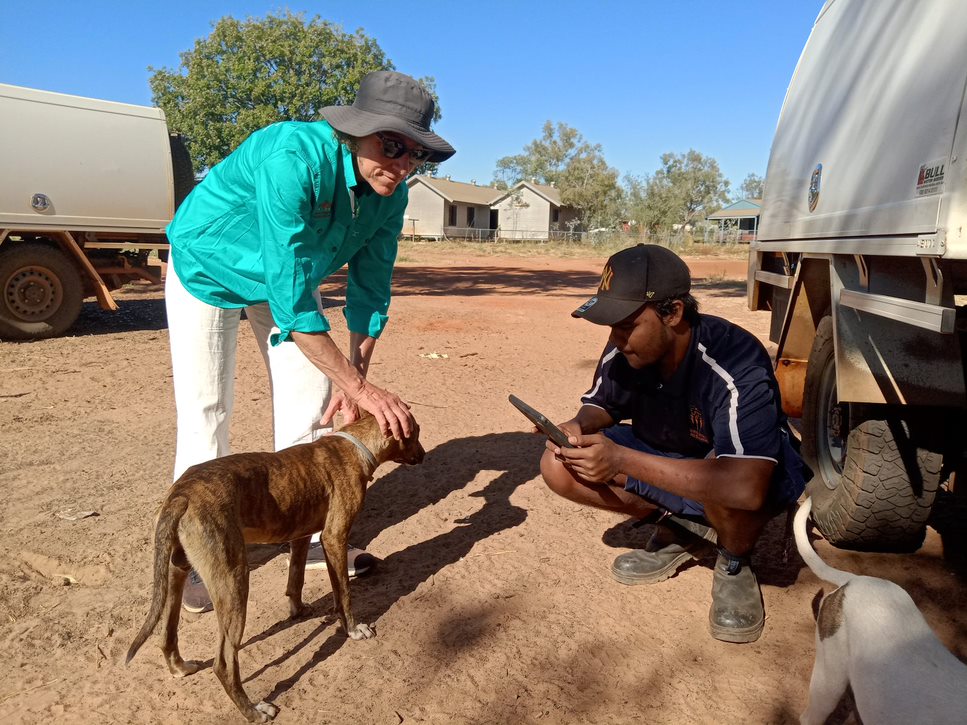
Training supports participants to:
- Develop practical skills in animal health and care
- Safely manage interactions between people and animals
- Identify and respond to animal health and biosecurity risks
- Confidently undertake animal management activities within their roles
This contributes to a more capable, locally based workforce able to support ongoing program delivery.
Strengthening Biosecurity Capability
Training supports:
- Improved identification of animal health and biosecurity risks
- Increased awareness of reporting pathways and responsibilities
- Strengthened local surveillance capability
More effective response to emerging risks
Strengthening Animal Management Programs
Training supports organisations to:
- Deliver effective animal management activities, including population monitoring and veterinary program support
- Plan and coordinate programs aligned to community needs and priorities
- Monitor and evaluate program activities and outcomes
- Work effectively across stakeholders, including LGAs, ACCHOs and Ranger groups
This strengthens the consistency, coordination and sustainability of animal management programs.
Supporting Community Safety and Public Health
Improved capability in animal management contributes to:
- Reduced risks associated with dog behaviour and dog bites
- Increased awareness of safe interactions between people and animals
- Improved management of zoonotic disease risks
- Stronger links between animal management and broader community health outcomes
Environmental and One Health Outcomes
AMRRIC’s training reflects the connections between animal health, human health and environmental health.
By building local capability, training contributes to:
- Healthier animal populations
- Safer and healthier communities
- Improved biosecurity preparedness
- Protection of environmental and community wellbeing
Case Study: AMRRIC’s Biosecurity Pilot Project
The Biosecurity Pilot Project (2021–2024) an example of AMRRIC’s training approach in practice.
Through this project:
- Training was delivered alongside animal health service provision
- Community-based participants developed biosecurity and animal health skills
- Organisations strengthened their capacity to monitor and respond to risks
Feedback from partners highlighted:
- The value of hands-on, practical training
- Increased confidence and capability among staff
- Strong relevance to community and organisational needs
Continuous Improvement
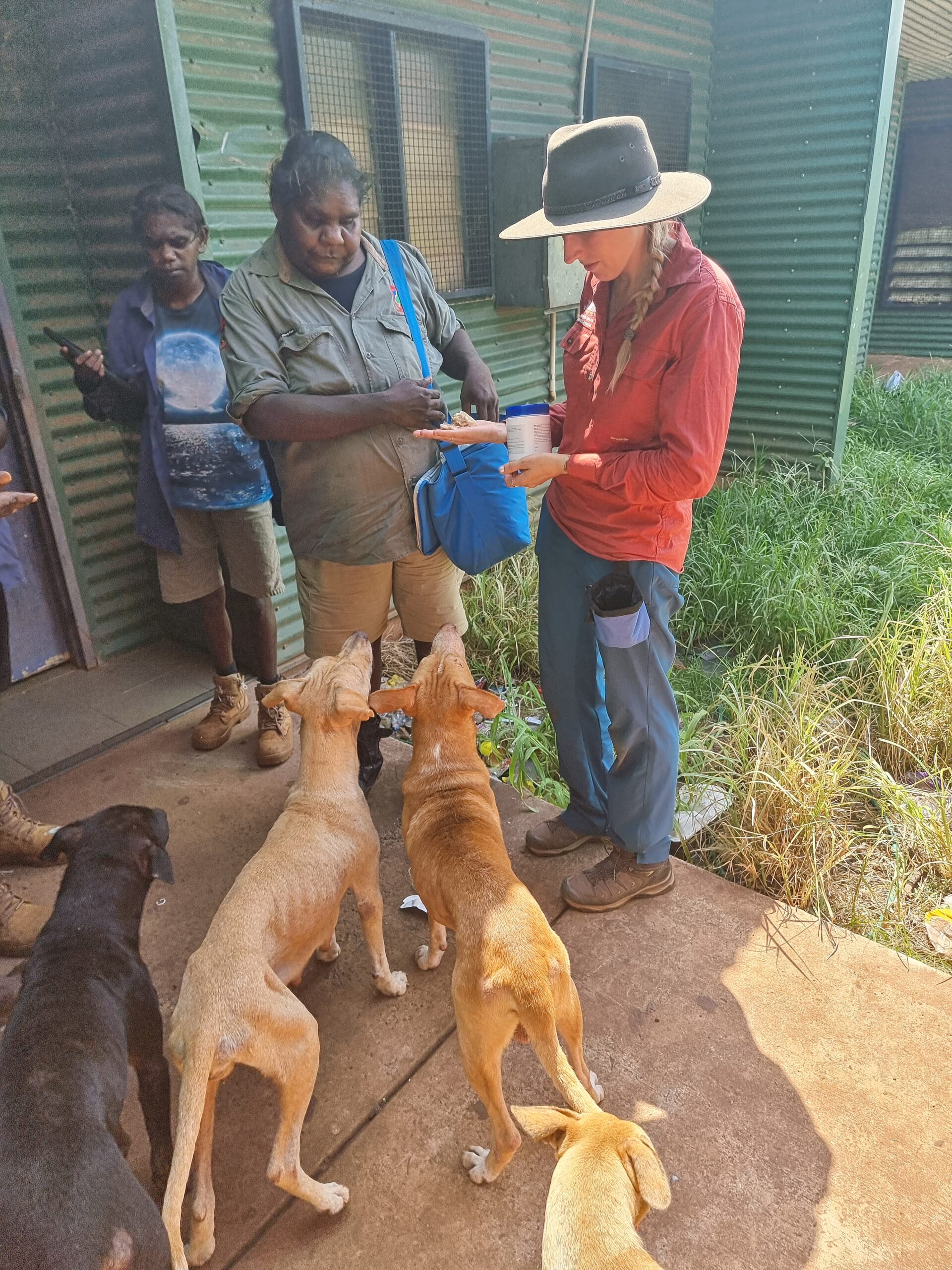
AMRRIC uses feedback from participants and partners to continually refine training, ensuring it remains:
- Relevant
- Practical
- Culturally appropriate
- Responsive to community needs
Long Term Impact
AMRRIC’s training is designed to do more than build individual skills.
By strengthening workforce capability, program delivery and coordination, and the links between animal health, community wellbeing and environmental outcomes, training contributes to sustainable, locally led animal management in remote Indigenous communities.
This approach supports organisations to move beyond short-term service delivery, building the systems, knowledge and confidence needed to deliver effective programs over the long term.
Why AMRRIC?
AMRRIC has worked in partnership with remote Indigenous communities for more than 25 years, supporting animal health and management through practical, community-based approaches.
- Over 25 years’ experience in remote Indigenous animal management
- Trusted partnerships with LGAs, ACCHOs and Ranger groups
- Culturally grounded and community-led approach
- Integrated training, service delivery and data capability
- Focus on long-term, sustainable outcomes
Talk to us
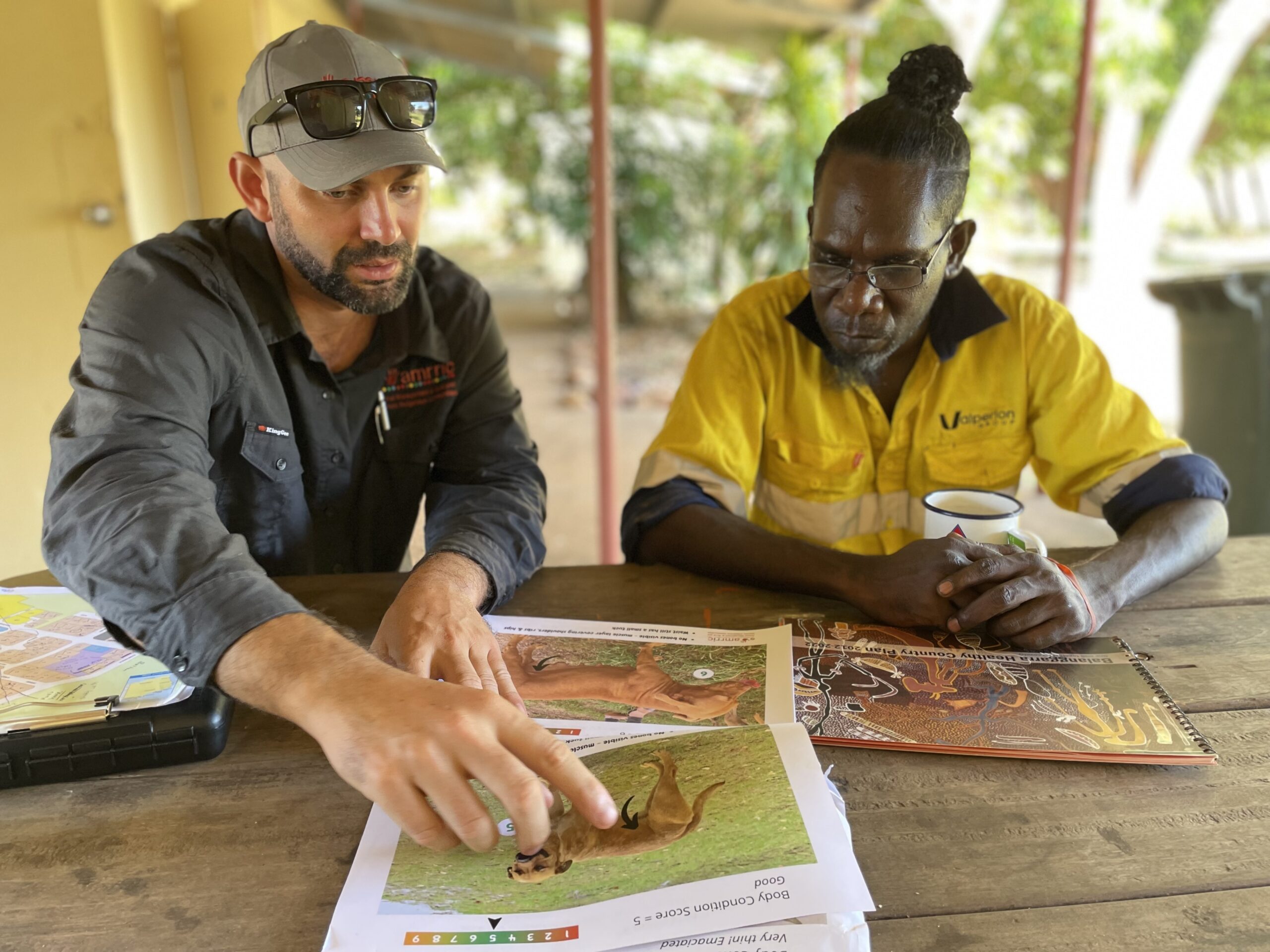
We work with organisations to design training solutions aligned to your community context, workforce and program goals.
📧 info@amrric.org
📞 08 8948 1768
🔗 www.amrric.org/contact