Animal Management in Rural and Remote Indigenous Communities
Our Vision is to see Aboriginal and Torres Strait Islander communities that are healthy and safe for people and their companion animals. Get InvolvedDonateAnimal Management in Rural and Remote Indigenous Communities
Our Vision is to see Aboriginal and Torres Strait Islander communities that are healthy and safe for people and their companion animals.
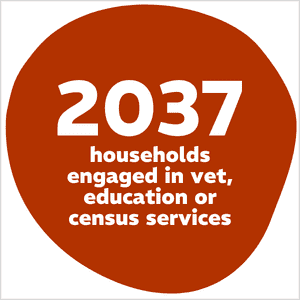
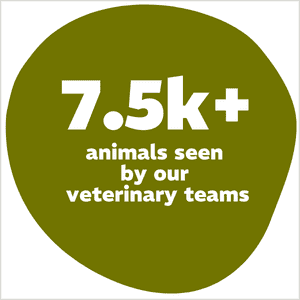
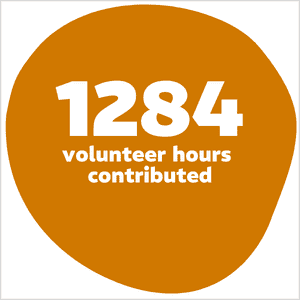
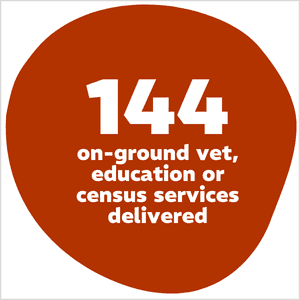
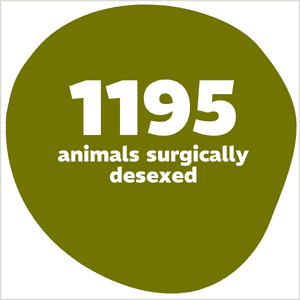
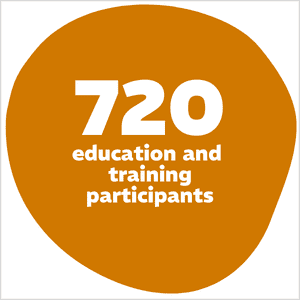
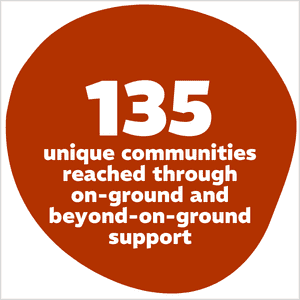
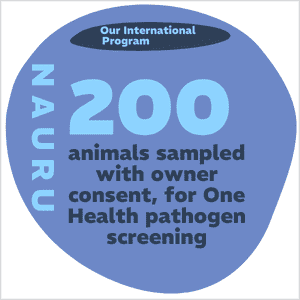
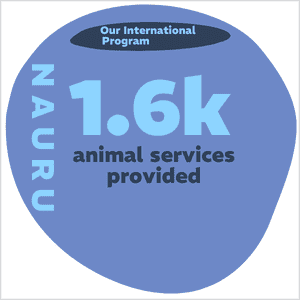
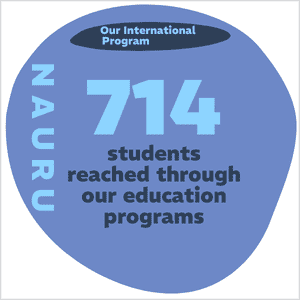
THE IMPACT OF AMRRIC’S WORK IN REMOTE COMMUNITIES
(July 2024 – July 2025)

LATEST NEWS
From experience to preparedness: strengthening zoonotic disease response systems for remote Australia
AMRRIC is drawing on lessons from the emergence of Ehrlichia canis, a new Australian...
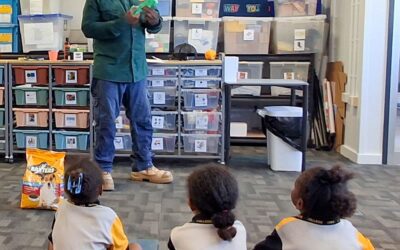
Building local biosecurity education capacity in the Torres Strait
Environmental Health Workers across the Torres Strait are putting new training and education...
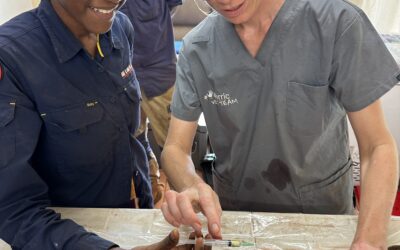
Building local capability in animal health and management
AMRRIC is expanding its training offerings to support organisations and communities to build local...
About Us
Our Work
AMRRIC’s work focuses on companion animals. To date, the biggest need has been around dogs, which have been the focus of many of our resources and projects. However, recognising the increase in cats being kept as pets in remote communities, AMRRIC’s focus has broadened. AMRRIC’s work involves facilitating improved community access to culturally relevant services, information and educational resources for pets and their owners.
Education
Get Involved
Join
About Us
Our Work
AMRRIC’s work focuses on companion animals. To date, the biggest need has been around dogs, which have been the focus of many of our resources and projects. However, recognising the increase in cats being kept as pets in remote communities, AMRRIC’s focus has broadened. AMRRIC’s work involves facilitating improved community access to culturally relevant services, information and educational resources for pets and their owners.
Resources
A significant component of AMRRIC’s work is education, capacity building and the sharing of knowledge. We have developed a range of outstanding resources to support our training, school education and field programs.