Training for Animal Management in Remote Indigenous Communities
Strengthen your local workforce for animal health and management, community safety and biosecurity.
Practical, on-ground training that builds local capability, strengthens program delivery and supports sustainable animal management in remote communities.
The Challenge
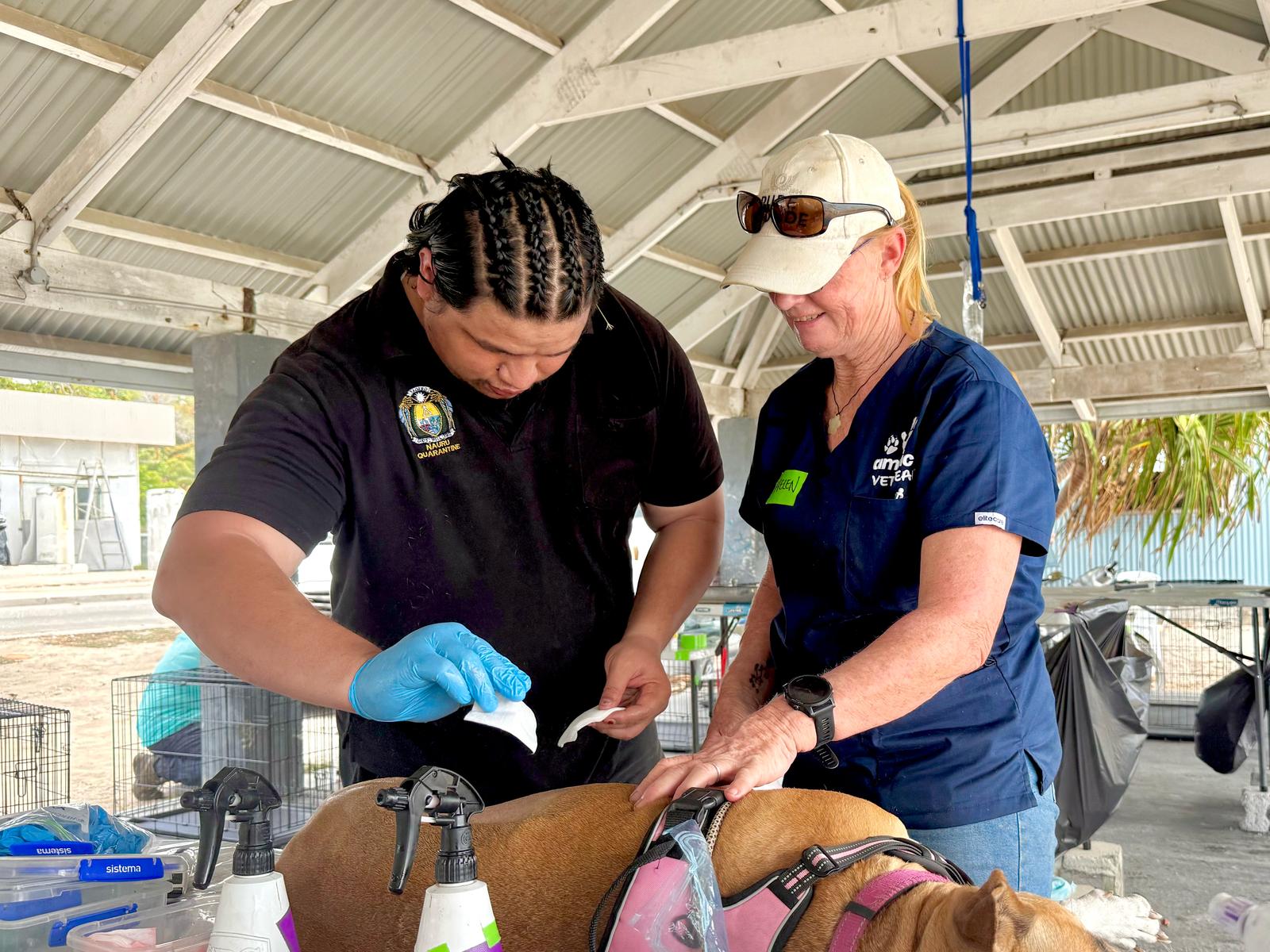
Delivering effective animal management programs in remote communities is complex.
OurApproach
AMRRIC’s training is designed to build local capability.
Grounded in a One Health approach, our training recognises the connections between:
- animal health
- community health and wellbeing
- biosecurity
- Country and culture
We work in partnership with Local Governments, ACCOs, Ranger groups and community organisations to deliver training that is:
- contextually relevant to remote Indigenous communities
- culturally safe and community-informed
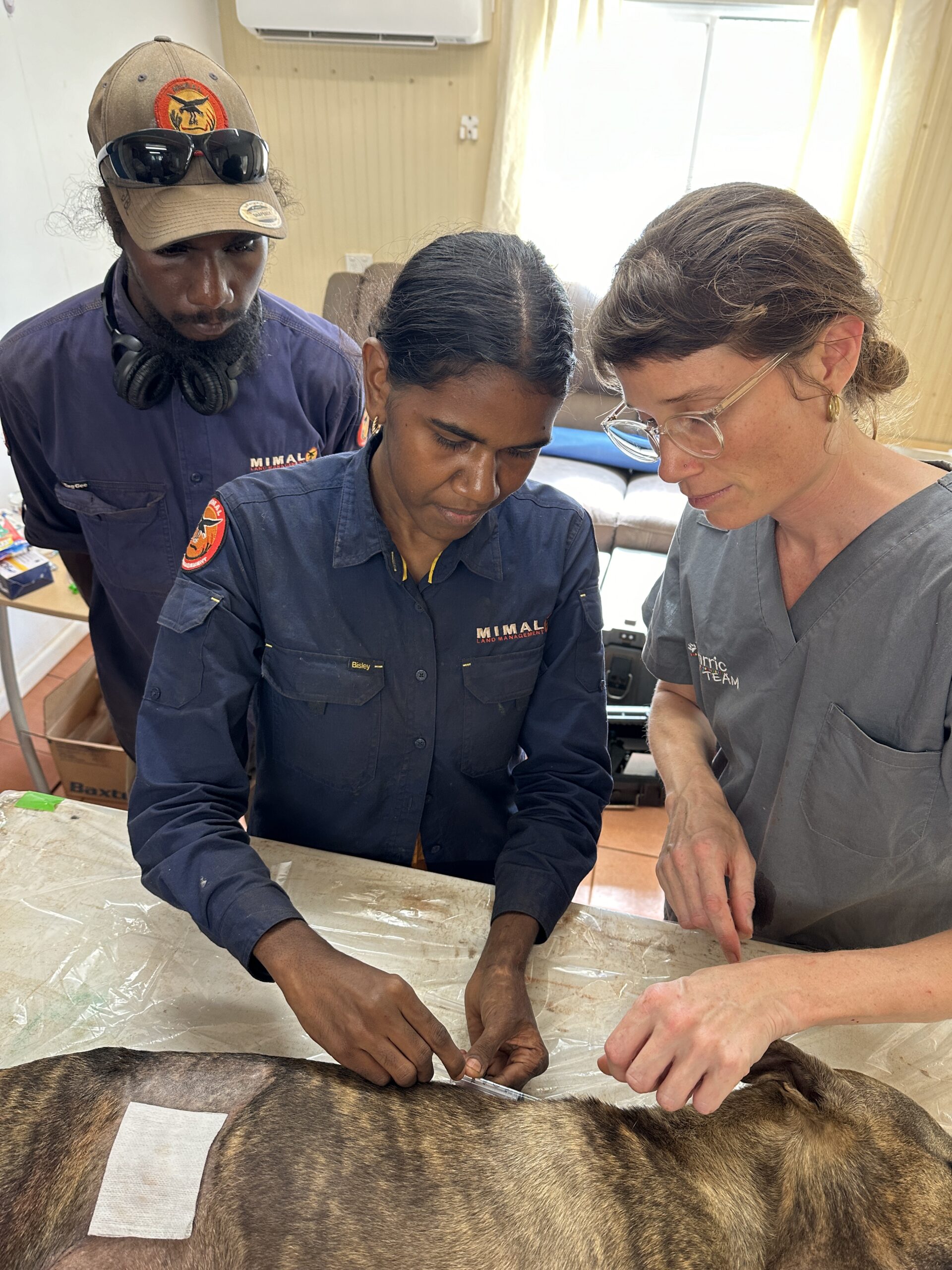
- practical and hands-on
- focused on long-term sustainbility
Training Options
Accredited Training
Nationally recognised training that supports workforce development and career pathways.
Designed for:
- Animal Management Workers
- Environmental Health Workers
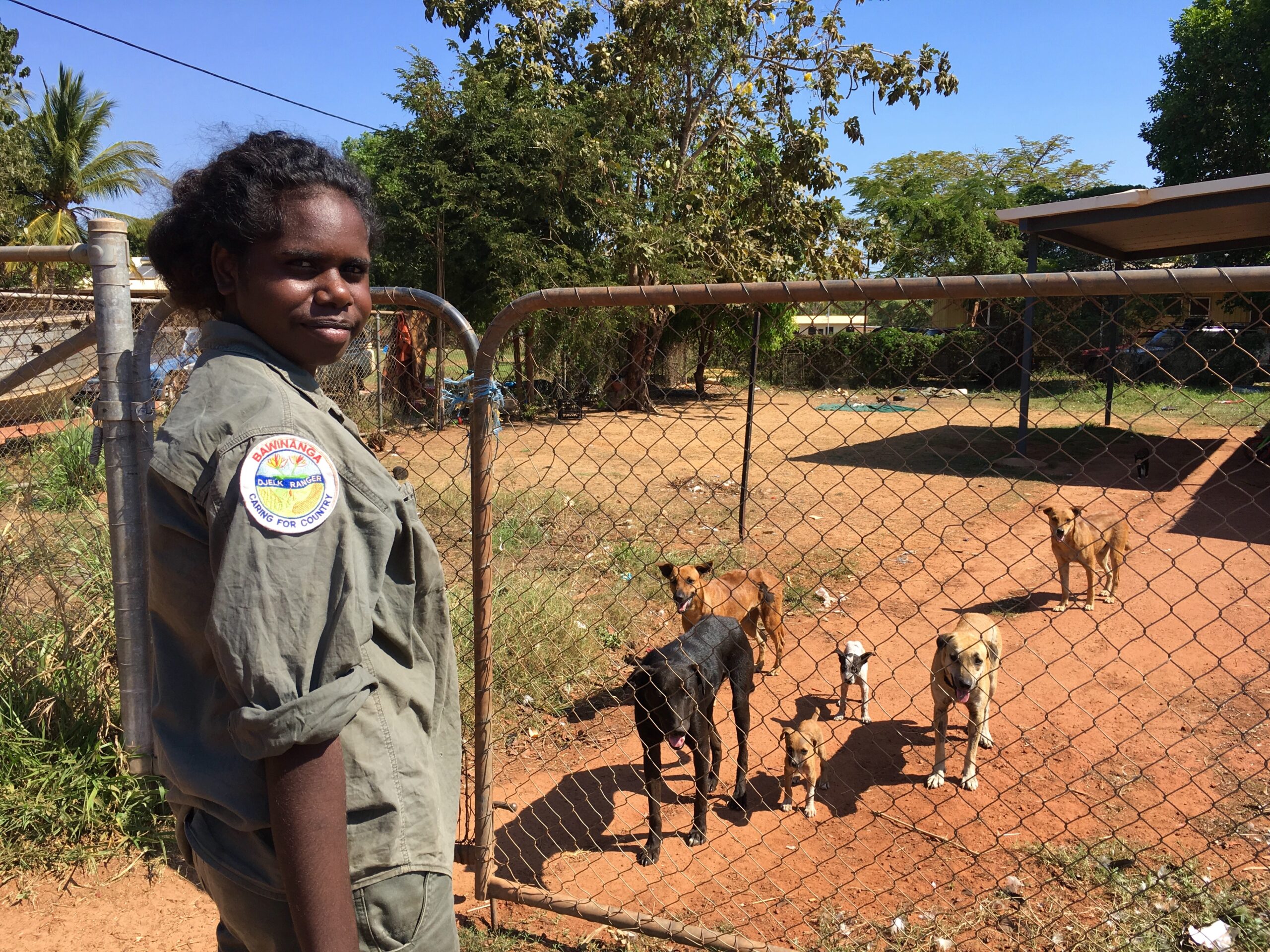
- Rangers
- Local Government staff
- Program coordinators
These programs enable your staff to:
- Deliver animal health and management activities locally
- Support veterinary programs
- Monitor and manage animal populations
Plan and coordinate sustainable programs
Non-accredited Training
Flexible, targeted training to support immediate program and community needs.
Includes:
- Animal census training
- Biosecurity awareness
- Dog behaviour and safety
- First aid for companion animals
- Train-the-educator programs
- Customised training packages
Delivery Model
AMRRIC training is delivered in ways that work in remote contexts.
Depending on the program, delivery may include:
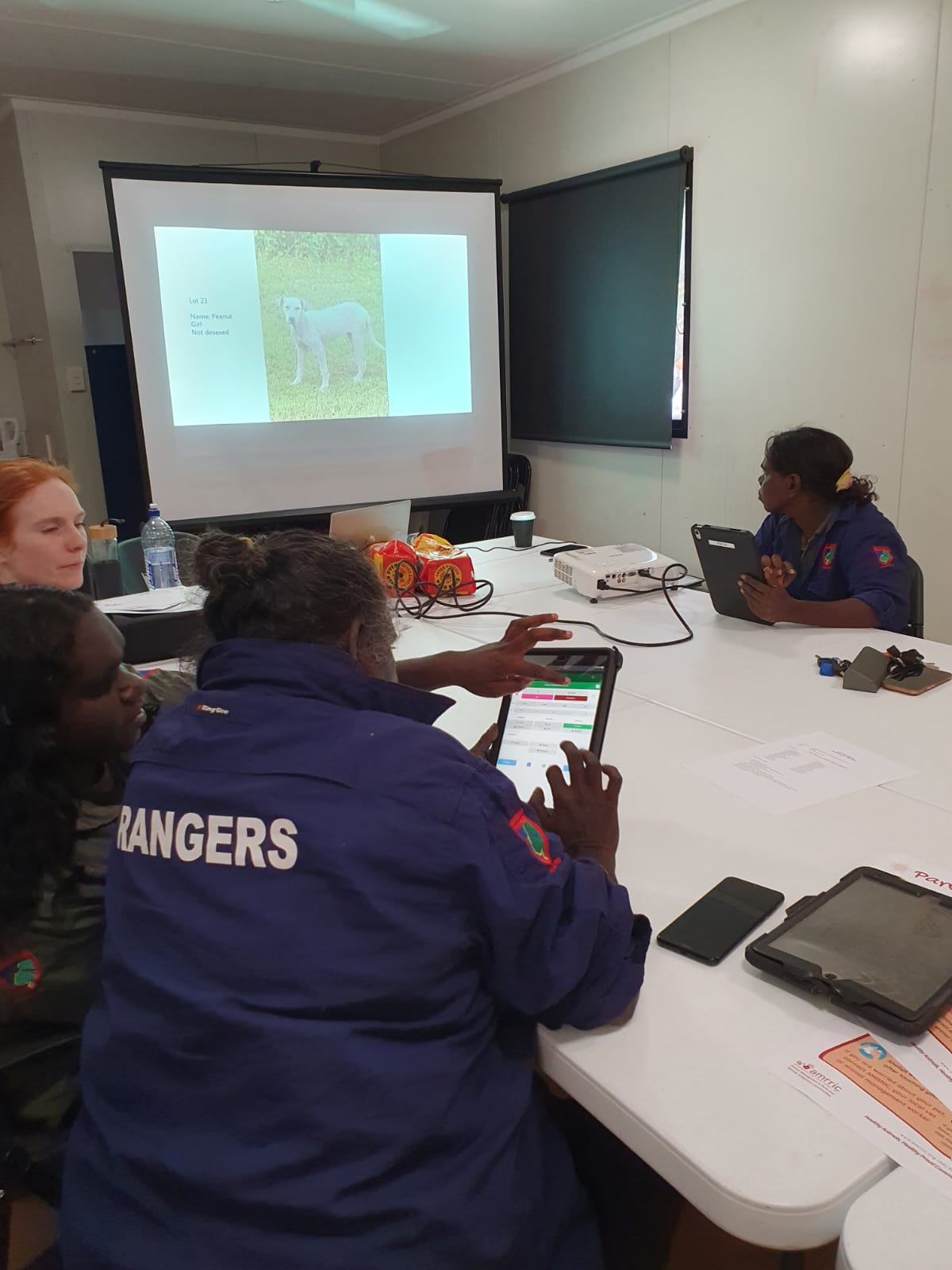
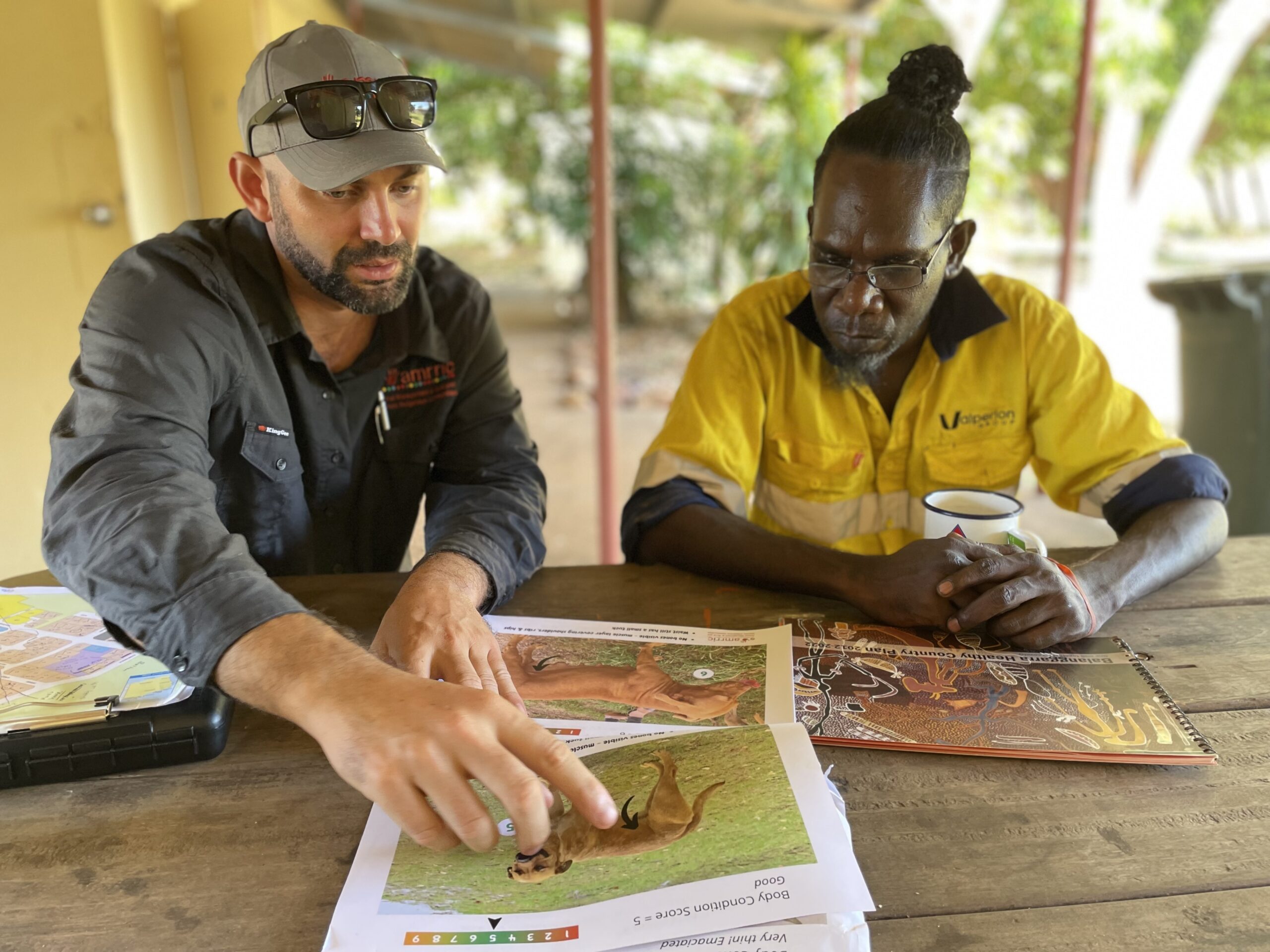
- On-ground, hands-on training in community
- Classroom-based learning
- Integration with real program delivery
- Flexible or online learning for coordinators and managers
Training is designed to be immediately applicable, accessible and aligned with real-world conditions.
Outcomes
Our training supports organisations to build workforce capability, strengthen program delivery and support healthier communities and environments.
Skilled Local Workforce
Build practical capability within local teams to support ongoing animal health and management activities.
Safer Communities
Help reduce risks associated with dog behaviour, dog bites and zoonotic disease through improved animal management practices.
Improved Animal Management
Support healthier companion animal populations through improved monitoring, treatment support and management activities.
Sustainable Program Delivery
Support long-term program sustainability through locally embedded skills, knowledge and community ownership.
Stronger Biosecurity Capability
Increase awareness of animal health and biosecurity risks, reporting pathways and local surveillance capability.
Why AMRRIC?
AMRRIC has worked in partnership with remote Indigenous communities for more than 25 years, supporting animal health and management through practical, community-based approaches.
- Over 25 years’ experience in remote Indigenous animal management
- Trusted partnerships with LGAs, ACCHOs and Ranger groups
- Culturally grounded and community-led approach
- Integrated training, service delivery and data capability
- Focus on long-term, sustainable outcomes
Talk to us
We work with organisations to design training solutions aligned to your community context, workforce and program goals.
📧 info@amrric.org
📞 08 8948 1768
🔗 www.amrric.org/contact